Experienced Roofing Contractor for Durable Options
Selecting a experienced roofing contractor is important for ensuring long-lasting solutions. Their proficiency and understanding of materials can greatly impact a home's longevity and upkeep. A professional contractor not only follows industry standards but also provides guidance into optimal options for particular requirements. Understanding the benefits and processes involved in choosing the right contractor raises important questions. What should property owners think about before deciding?
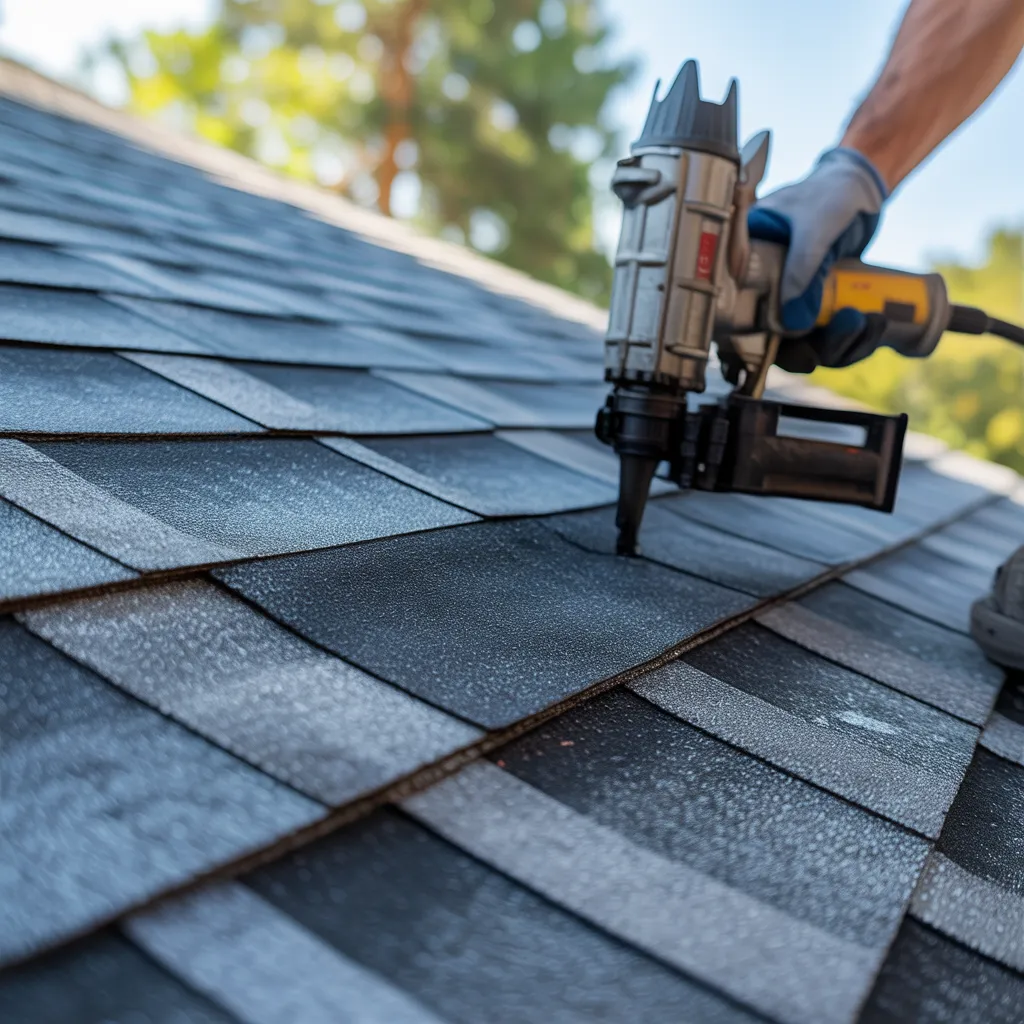
Why Select an Experienced Roofing Contractor?
When property owners seek roofing options, choosing a experienced contractor can significantly impact the quality and durability of the final result. Seasoned contractors have a wealth of knowledge about various roofing materials and techniques, allowing them to recommend the best options tailored to specific needs. Their expertise guarantees that installations comply with industry standards, reducing the likelihood of future issues.
Moreover, experienced contractors often have strong connections with suppliers, allowing them to source high-quality materials at competitive prices. This can result in a budget-friendly project without sacrificing quality.
Additionally, experienced contractors generally provide guarantees on their work, offering homeowners confidence. This guarantee reflects their trust in the craftsmanship they provide. Ultimately, selecting a experienced roofing contractor not only improves the immediate outcome but also contributes to the long-term performance and security of the home.
How to Realize When You Need a Roofing Contractor?
How can a homeowner determine the right time to reach out to a roofing contractor? Recognizing the signs of roofing issues is vital for keeping a safe and operational home. Homeowners should be observant for missing, cracked, or curling shingles, which demonstrate likely damage. Additionally, the presence of water stains on interior surfaces or walls may suggest leaks that demand prompt attention. A sagging roofline is another serious warning sign, often indicating to underlying issues beneath the surface.
Furthermore, rising utility expenses can indicate insufficient insulation or ventilation caused by roofing issues. Regular inspections after extreme weather conditions, such as storms or heavy snowfall, are crucial to catch any developing problems promptly. If any of these red flags are noticed, it is recommended to contact a qualified roofing contractor to evaluate the situation and suggest necessary repairs or replacements. Swift intervention can prevent additional deterioration and ensure the longevity of the roof.
Benefits of Hiring a Professional Roofing Contractor
Retaining a professional roofing contractor furnishes important benefits, particularly in mastery and aptitude. These professionals are trained to deal with various roofing challenges while ensuring the incorporation of superior materials. Consequently, this produces robust and steadfast roofing solutions that can withstand the wear of time.
Mastery And Technical Skills
While many property owners may consider doing roofing projects themselves, the expertise and competence of a qualified roofing specialist can greatly enhance the finish. These technicians bring specialized training and considerable experience, enabling them to identify hidden issues that an amateur might ignore. Their skill in different roof methods promises proper installation, which is critical for extended life and resilience. Furthermore, licensed contractors stay updated of the latest industry standards and safety measures, cutting down hazards during the project. By leveraging their expertise, homeowners can elude expensive missteps often due to DIY attempts. Ultimately, retaining a roofing contractor not only ensures better workmanship but also provides peace of mind, having confidence that the roofing system is in experienced hands.
Superior Materials Validation
A professional roofing contractor offers not only expertise but also access to high-quality materials that greatly impact the durability and performance of a roofing system. By sourcing materials from established manufacturers, these contractors guarantee that clients receive products engineered to endure environmental stresses, such as extreme weather conditions. This dedication to quality minimizes the likelihood of repairs or replacements later, providing homeowners peace of mind. Moreover, professional contractors are expert in the latest industry standards and innovations, enabling them to advise materials that boost energy efficiency. Ultimately, the decision to hire a expert roofing contractor ensures that the roofing project is completed with high-grade materials, resulting in a reliable roofing solution.
Types of Roof Materials and Their Longevity
When evaluating roofing options, different types provide distinct advantages regarding longevity. Asphalt shingles, known for their affordability, deliver a reliable option, while metal roofing presents improved durability and protection to harsh conditions. Furthermore, tile roofing is praised for its impressive strength, making it a valuable option for homeowners looking for lasting security.
Asphalt Shingles Summary
Many residents favor asphalt shingles because of their blend of affordability and durability. These shingles are mainly made of asphalt and fiberglass, providing a adaptable roofing alternative. They come in a range of styles and colors, enabling homeowners to customize their roofs to suit their design tastes. The expected lifespan of asphalt shingles is between 15 and 30 years, based on the quality and installation. Moreover, they excel in different weather conditions, standing up to wind and rain well. Maintenance is fairly simple, often requiring just scheduled inspections and cleaning. As a commonly used roofing material, asphalt shingles also offer good fire resistance, enhancing their appeal to homeowners looking for trustworthy and cost-effective roofing choices.
Metal Roofing Advantages
While many homeowners desire longevity in roof options, metal roofing stands out as an exceptional choice. Recognized for its impressive longevity, metal roofs can last 40 to 70 full details years, considerably outpacing conventional options like asphalt shingles. They are resistant to a variety of weather conditions, including heavy rain, snow, and wind, making them ideal for diverse climates. Additionally, metal roofing bounces back solar heat, adding to power conservation and reducing cooling costs. Its lightweight nature allows for simpler installation and less foundational strain. Available in a range of styles and colors, metal roofs also improve a home's visual charm. With reduced maintenance requirements, metal roofing proves to be a sensible investment for homeowners emphasizing durability and sustainability.
Tile Wear Resistance Findings
Tile roofing provides another sturdy alternative for homeowners looking for long-lasting solutions. Recognized for its durability, tile roofing can withstand harsh weather conditions, including intense sunlight, heavy rain, and strong winds. Clay and concrete tiles are the most common types, each offering unique advantages. Clay tiles are fire-resistant and can last over 100 years, while concrete tiles provide cost-effectiveness and versatility in design. Both types demand minimal maintenance and are immune to rot and insects. Additionally, tile roofing contributes to energy efficiency by reflecting sunlight, lowering cooling costs. However, it is essential to copyrightine the weight of tile roofing, as it may require additional structural support. Overall, tile roofing remains a wise choice for durability and longevity.
copyrightining Roofing Work: Critical Value Indicators
When assessing the quality of roofing work, several key indicators emerge that can greatly influence a project's longevity and functionality. First, the materials selected must comply with industry standards; high-quality materials guarantee longevity and resist environmental stressors. Second, the installation method is critical; improper installation can lead to leaks and structural issues, regardless of material quality. Third, attention to detail in sealing and flashing can avoid water intrusion, a common cause of damage.
Moreover, the existence of adequate ventilation is vital, as it helps in regulating temperature and moisture within the roofing system. Finally, a credible expert will present warranties for both products and installation, expressing certainty in their services. By evaluating these criteria, property owners can choose with confidence about the standard of roof installation and its potential impact on their investment.
Questions to Ask Before Engaging a Roofing Contractor?
What approach should property owners employ when selecting a roof specialist? Property owners can guarantee a positive roof job by asking several key questions. To start, verify the contractor credentials and insurance coverage as a way to validate their legitimacy and protection from unforeseen financial obligations. Subsequently, seek references from former customers, which provides perspective into the contractor's track record and dependability.
Additionally, property owners should review the estimated timeline and payment plan for the project, guaranteeing transparency on costs and timelines. Inquiring about the materials used and their warranties can also demonstrate the contractor's commitment to durability and excellence. Ultimately, comprehending the contractor's approach to safety procedures can offer reassurance about the job site. By tackling these questions, homeowners can choose wisely and select a roofing contractor that meets their specific needs.
Determining the Perfect Roofing Material for Your Needs
Selecting the appropriate roofing material is crucial for ensuring a property's long-term longevity and visual attractiveness. Various factors determine this decision, including climate, budget, and architectural style. Asphalt shingles are popular for their reasonable pricing and straightforward application, making them ideal for many homeowners. Metal roofs, known for their durability and weatherproofing capabilities, appeal to those seeking robust solutions.
For a more sustainable alternative, slate and tile deliver durability and a unique appearance but involve a steeper cost. Moreover, residents should evaluate thermal efficiency; substances like reflective metalwork can reduce air conditioning costs.
In the end, the choice should fit with both functional needs and individual tastes. Talking to an experienced roofing contractor can deliver valuable insights, making sure that the chosen material complements the property while fulfilling long-term requirements.
Regularly Inquired Questions
How long does a standard roofing job take to finish?
A typical roofing project usually takes from one to three weeks to complete. Factors influencing the timeline consist of roof size, materials used, weather conditions, and the intricacy of the installation process.
What types of warranties do roofing contractors typically offer on their projects?
Roofing professionals typically provide warranties ranging from 5 to 30 years, based on the materials used and the intricacy of the project. These warranties often include workmanship and material defects, guaranteeing long-term protection for clients.
What financing choices are available for roofing projects?
Several roof professionals provide financial options, including installment plans, credit facilities, and lines of credit. These solutions can assist homeowners manage expenses more effectively, making roof work more accessible without sacrificing quality or essential maintenance.
What Steps Can I Take to Maintain My Roof After-Installation?
To maintain a roof after installation, regular inspections for damage and debris are essential. Cleaning gutters, checking flashing, and guaranteeing proper ventilation can prevent issues, extending the roof's life and preserving its structural soundness.
How Can I React if I Discover Leaks in the Roof?
When discovering roof leaks, the property owner should rapidly assess for apparent damage, review gutters, and eliminate debris. Retaining a specialist for a meticulous inspection and vital repairs ensures sustained protection and prevents additional structural damage.